What Will the Scan Feel Like?
A first bone mineral density (BMD) scan can feel unfamiliar, but the process is simple and quick. The test uses low-dose imaging to measure bone strength, most often at the hip and spine. The appointment usually lasts less than half an hour and does not involve needles or downtime. Many people expect something more complicated, but the experience is quiet and straightforward from start to finish.
Why bone health gets overlooked
Over time, bone density changes gradually, often without obvious symptoms. Lower bone strength can increase the risk of fractures from minor falls or even everyday movement. Because early bone loss is not something you can feel, screening plays an important role in catching changes early. A scan offers a clearer look at bone health before problems develop.
When to get checked
Screening is often recommended starting around age 65 for women and 70 for men. Earlier screening may be suggested for adults over 50 with risk factors such as family history, smoking, long-term steroid use, or prior fractures. Small risk factors can add up over time, which is why earlier testing may be helpful in certain cases. A provider can help determine the right timing based on personal history.
How to get ready without stress
Preparation is simple but worth paying attention to. Calcium supplements should be avoided for about 24 hours before the scan, including multivitamins that contain calcium. Clothing should be loose and free of metal such as zippers, buttons, or underwire. Jewelry and accessories will need to be removed before the test. Mentioning recent contrast imaging or barium studies can help prevent inaccurate readings.
What the experience is like
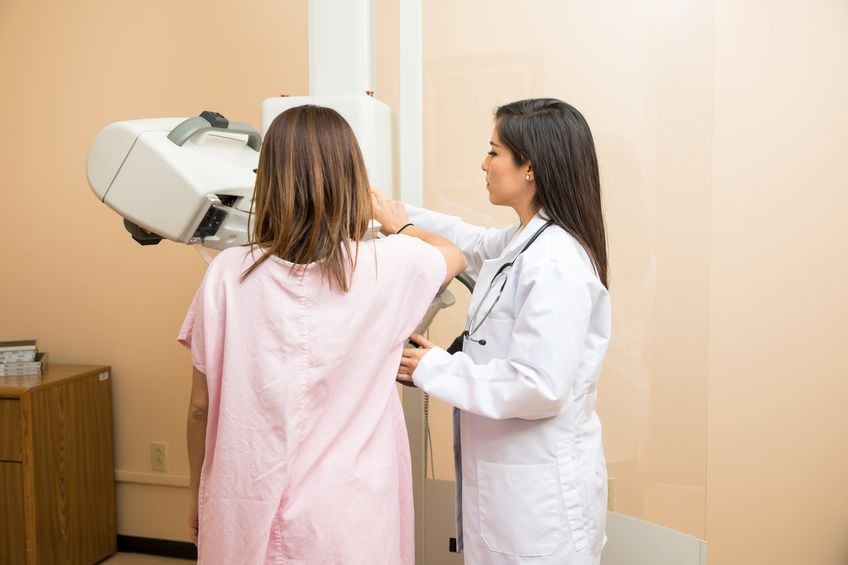
A dual-energy x-ray absorptiometry (DeXA or DXA) scan, is a quick, non-invasive imaging test that measures bone density and helps evaluate the risk of osteoporosis or fractures. The DXA uses a very low dose of x-ray energy to assess bone strength, most often in the hip and spine. This machine also has the capability of providing information about body composition, including lean mass and body fat percentage.
What the numbers tell you
Results are reported as scores that compare bone density to expected ranges. A T-score reflects how bone density compares to a healthy young adult, which helps identify bone loss and fracture risk. Lower scores can mean weaker bones, but results are only a single piece of the picture. A provider will interpret the numbers alongside age, history, and other risk factors.
Where things go from here
Normal activities can resume right after the scan. A provider will review results and may suggest changes such as strength training, nutrition adjustments, or medication to support bone health. Small lifestyle changes can make a meaningful difference over time. Follow-up scans may be recommended to track progress and monitor changes.
A step toward stronger bones
A bone density scan is a quick way to better understand long-term bone health. The process is simple, and preparation is minimal. Early insight can help prevent future fractures and support mobility as the body ages. Getting a bone density scan done can feel like a small decision, but the long-term impact can be significant.