Time For A Mammogram?
Routine breast imaging plays a central role in early cancer detection and long-term health planning. A screening mammogram evaluates breast tissue for abnormalities before symptoms develop. Medical guidelines often recommend starting annual or biennial screening at age 40 for average-risk women. Earlier screening may be advised for individuals with a family history of breast cancer or genetic risk factors. Consistent screening helps detect small changes that may not be physically noticeable. If needed, treatment can start sooner, before disease progression.
Why mammograms matter
Early-stage breast cancer often presents without pain or any visible symptoms, making imaging essential for detection. Mammograms, which take an image of the breast using a low-dose x-ray, can identify calcifications, masses, and subtle tissue changes that require further evaluation. Detection at an early stage increases treatment options and significantly improves survival rates. In the absence of any concerns, regular imaging can also help to establish a baseline for the patient, allowing radiologists to compare changes over time. Reliable screening supports proactive care rather than reactive treatment.
Earlier screening for some
Certain risk factors warrant earlier and more frequent screening than standard recommendations. Family history of breast or ovarian cancer increases lifetime risk and may shift screening timelines. Individuals with genetic mutations, such as BRCA1 and BRCA2, are at increased risk of cancer and typically are recommended to start mammograms at a younger age. Previous chest radiation or dense breast tissue also influences screening strategies. A healthcare provider can review medical history and provide an individualized recommendation.
What to expect
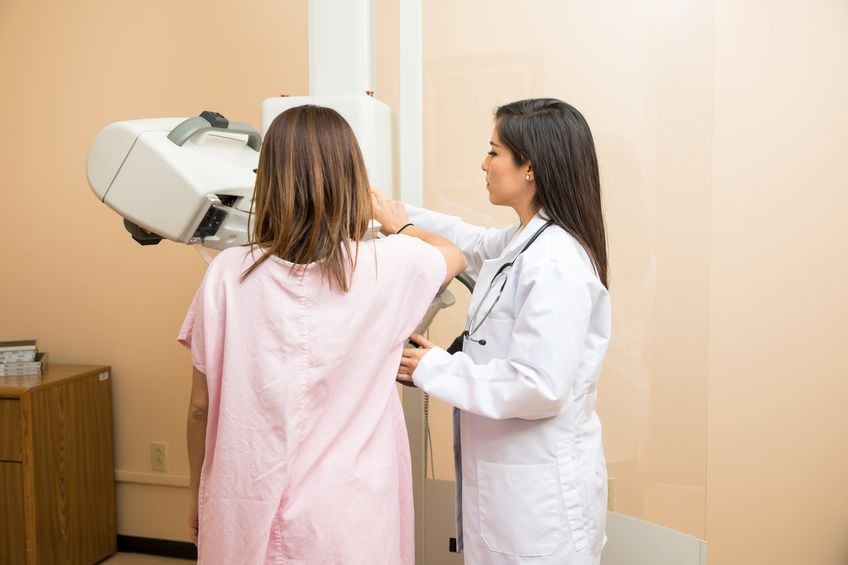
A screening mammogram is essentially an x-ray of the breast tissue performed in a clinical setting. During the procedure, each breast is gently compressed to obtain clear and accurate images. The process typically lasts less than 20 minutes and requires minimal preparation. Mild discomfort may occur during compression, but the procedure is brief, and most women tolerate mammograms well. Results are reviewed by a radiologist and communicated within a few days.
How often to schedule
Frequency of screening depends on age, risk profile, and medical guidance. Annual mammograms are commonly recommended for women ages 40-54, while women 55 and older may transition to biennial screening or continue yearly exams based on preference. High-risk individuals often require annual imaging, along with additional screening tools such as magnetic resonance imaging (MRI), to gather more information. Consistent scheduling improves detection accuracy and supports continuity of care.
Small step, lasting impact
Preventive screening represents a powerful tool in reducing breast cancer-related mortality. Early identification allows for timely intervention and less aggressive treatment options. Structured screening schedules create consistency and reduce gaps in care. Awareness of personal risk factors enhances decision-making and encourages timely action. A simple imaging appointment can contribute to early detection, long-term health, and greater peace of mind.