Why Waiting Could Be Deadly
Many cancers, including breast, cervical, and ovarian cancer, may not show symptoms in the early stages. The disease may have progressed by the time symptoms appear, making treatment more challenging. Early detection through imaging allows for higher survival rates since cancers caught early are often more treatable. Early-stage cancers may require less extensive surgery or chemotherapy. Early intervention can prevent complications and improve long-term health.
Screen while healthy
Cancer frequently develops without visible warning signs. Routine screenings detect abnormalities at early stages when treatment proves most effective. Delaying testing risks missing opportunities for early intervention when outcomes tend to be better. Recommended screening schedules exist because these screenings identify problems before symptoms appear. Following these guidelines provides the greatest chance for successful prevention and treatment.
Lifestyle isn’t enough
Healthy habits help, but cannot replace cancer screenings. Eating well and staying active support health, but do not prevent all cancers. Screenings find problems before symptoms start. Some cancers develop regardless of lifestyle. Tests detect what healthy living cannot. Skipping screenings risks missing early cancer. The best approach combines healthy choices with regular tests. Screenings save lives when done on schedule. No lifestyle prevents the need for medical checks. Early detection requires actual testing. Good health includes getting screened.
Imaging tests for cancer screenings
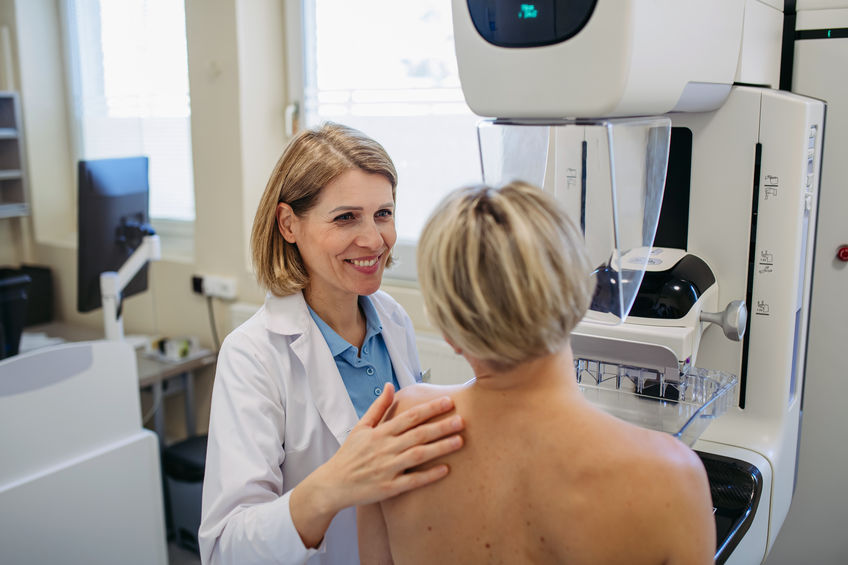
Mammograms use low-dose X-rays to identify breast abnormalities, while supplemental ultrasounds or MRIs help evaluate dense tissue. Cervical cancer screening combines Pap smears with HPV testing to catch precancerous changes. For ovarian cancer monitoring, transvaginal ultrasound and CA-125 blood tests assist in early detection. Postmenopausal women also benefit from bone density scans to assess fracture risk. These evidence-based screenings follow specific age and risk guidelines to maximize effectiveness.
Timing is everything
Screening recommendations vary based on age, family history, and risk factors. For breast cancer, mammograms should be started at age 40 or earlier if high risk. Pap smears for cervical cancer screening should begin at 21, with HPV testing starting at 30. For ovarian cancer, screenings can be discussed with a doctor if individuals have a family history of the condition. High-risk women, like those with BRCA mutations or strong family history, may need earlier and more frequent screenings.
Take charge of your health
Cancer does not wait for convenient moments. The most effective time for screening arrives before any symptoms are present. Waiting for warning signs often means waiting too long. This is not about fear, but about taking control. A screening appointment offers more than a test result. Screenings provide certainty. Early detection means either peace of mind or the advantage of early intervention. Both outcomes are a win for patients. Health is not a passive state and requires active protection.